
Wholesale trade is big business. There are about 95,172 wholesalers in Canada, primarily engaged in wholesaling merchandise to retailers and other businesses, facilitating distribution, providing logistical services, and sometimes offering other services such as packaging and labelling.
Whether you’re a wholesale merchant, wholesale distributor, import-export merchant, drop shipper or buying group, you serve as an intermediary in the distribution process. The industry — currently worth about $69.9 billion in Canada — plays a major role in the Canadian economy, ensuring goods move seamlessly from supplier to retailer to end-customer.
That means any disruption to your operations can reduce profitability and hurt your company’s reputation. It could even make you a target of lawsuits for breach of contract. From protecting inventory to safeguarding employees, here are some of the key wholesaler risks to be aware of and how you can protect your business.
What key risks do wholesalers face?
Property damage and inventory loss: As a wholesaler, inventory is your business. In many cases, inventory is stored in a warehouse, often in a single location, so a fire, flood or other catastrophic event could damage or wipe out your inventory in minutes. In addition to property damage and inventory loss, you may be unable to fulfill orders for customers, causing further losses to your bottom line. In some cases, if you’re not able to fulfill a contract (even if it’s not your fault, such as a warehouse fire), you could still face legal penalties for breach of contract. A formal business continuity plan, which should be stress-tested at least annually, can help you get your business back on track faster to minimize losses.
Theft: With a high volume of physical inventory on hand, wholesalers are at high risk of theft. They’re also at risk of having goods stolen during transport. In both cases, this can lead to inventory shrinkage and financial loss. To mitigate these risks, use a pre-employment screening program and deploy security tactics to make sure inventory isn’t easy to steal, such as locking it up and installing a surveillance system.
Supply chain disruptions: As a wholesaler, you have likely experienced first-hand the impacts of supply chain disruptions. Major shipping delays or materials shortages means you may not be able to fulfill orders on time — or at all. Contingent business interruption (CBI) exposures are becoming an increasing risk for wholesalers, so having a supply chain risk management strategy (such as alternative suppliers) is critical. CBI coverage is available for the same exposures as covered under your own commercial property policy.
Product liability: Even though wholesalers don’t manufacture the goods they’re selling, they could still be found liable for bodily injuries or property damages from defective products alongside the manufacturer and retailer. Defects can range from design flaws to inadequate warnings on product labels.
Fleet safety: Drivers are critical in distributing your goods to the end-customer, whether that’s a retailer or an institutional client. Ensuring you hire qualified drivers and maintaining a safe work environment for those drivers can help protect your people, your fleet and your inventory. A formal fleet safety & maintenance program and the right business insurance can help protect against breakdowns and liability claims.
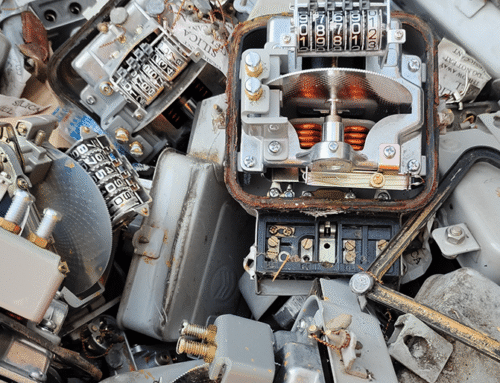
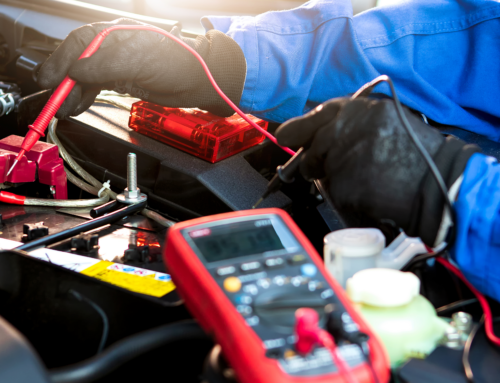
Equipment breakdown: Wholesalers with temperature-sensitive inventory face the risk of spoilage if their refrigeration or HVAC systems break down. Broken or malfunctioning equipment in the warehouse, such as forklifts, can lead to operational downtime and even employee injuries. The cost of equipment repairs or replacement, spoiled inventory, business interruption and possible breach-of-contract legal fees can result in major financial loss and reputational damage.
Cyber threats: AI is being leveraged to create highly sophisticated phishing campaigns that can be used to breach your systems, steal sensitive data, or trick employees into sending fraudulent payments. Ransomware could hold your business hostage and halt operations across the supply chain, causing major delays and financial losses. Wholesalers will want to ensure they have a comprehensive security strategy in place, including employee training to protect against phishing and social engineering attacks.
How can wholesalers mitigate these risks?
Staying on top of global events and trends can help you understand the latest supply chain risks and anticipate potential problems. A business continuity plan can help you handle unexpected events, such as fires, natural disasters or other operational disruptions. For example, this plan could include backup suppliers if inventory from a critical overseas supplier is disrupted.
Since inventory is so critical to your business, recordkeeping should be a top priority. Inventory management can help you avoid overstocking while meeting customer demand, but it can also be useful for mitigating employee theft. Having a current inventory as well as detailed records of equipment and tools in your facilities can help you manage your assets — and quickly discover if something has gone missing.
What type of insurance do wholesalers need?
In additional to commercial general liability and commercial property coverages, wholesalers insurance can be tailored to meet evolving industry risks. That includes coverages for business interruption, commercial auto, crime, cyber risk, equipment breakdown and product liability, among others.
With risks evolving — from climate-related disasters to AI-generated cyber threats — it’s a good idea to review your policy at least annually to make sure it has adequate limits and includes specialized endorsements.
Take care of your business, your workers, and your bottom line
Although educating yourself on the above risks can help reduce the risk of loss, having the proper insurance policy is key. To learn more about how a tailored policy can help protect you, your employees, and your bottom line, visit our Wholesalers Insurance page today!
This blog is provided for information only and is not a substitute for professional advice. We make no representations or warranties regarding the accuracy or completeness of the information and will not be responsible for any loss arising out of reliance on the information.