As a powersport dealer, you’re in the business of thrills and excitement. But you do much more than sell adrenaline-fueled vehicles such as motorcycles, ATVs, snowmobiles, and personal watercraft.
You might stock parts, gear, and apparel, or offer maintenance, emergency repairs, and warranty work. You may even offer purchase financing for customers. As a result, you face risks unique to your industry, especially if you work on customers’ vehicles in your shop or allow them to take vehicles out for test drives.
Insurance is a key component of a dealer’s risk mitigation strategy. Running your dealership without it is like riding a motorcycle without a helmet — you can do it, but it is not advisable, and the stakes are high.
Key risks for powersport dealers
Finance fraud: Fraud is becoming a major challenge for powersport dealers. In some cases, fraudsters use fake, stolen, or synthetic identities (which combine fake and real information) to secure financing for a vehicle. Other scams include making large purchases over the phone using stolen credit cards, forged bank drafts or bounced cheques for down payments. Internal fraud is another concern, where employees may steal inventory, manipulate sales, or collaborate with external criminal rings.
Liability risks: If you offer multiple services at your dealership, then you also face several liability risks. Customers could be injured in your showroom, on your lot, or in the service bay. If you offer test drives, you could be held liable for bodily injury or property damage if a vehicle is involved in an accident.
Inventory damage: Your dealership could be a target for theft and vandalism, both on the showroom floor and on the lot, if you carry highly sought-after inventory. Your inventory is also at risk from natural hazards, such as hailstorms, flooding, and high winds. Even a small scratch on a brand-new vehicle can translate into a financial loss for your business.
Tradeshow and event risks: If you participate in tradeshows and events, you’ll need to transport and display your high-value vehicles, which introduces the risk of theft, vandalism, and physical damage to inventory. For example, in large crowds, small parts or accessories can be stolen, while high-traffic environments increase the likelihood of accidents and cosmetic damage.
Cyberattacks: Smaller, independently owned dealerships often lack dedicated IT security staff, making their networks attractive targets for hackers looking to steal financial data or launch malware attacks. This can include ransomware attacks in which hackers lock your systems and demand payment to restore access.
How powersport dealers can mitigate these risks
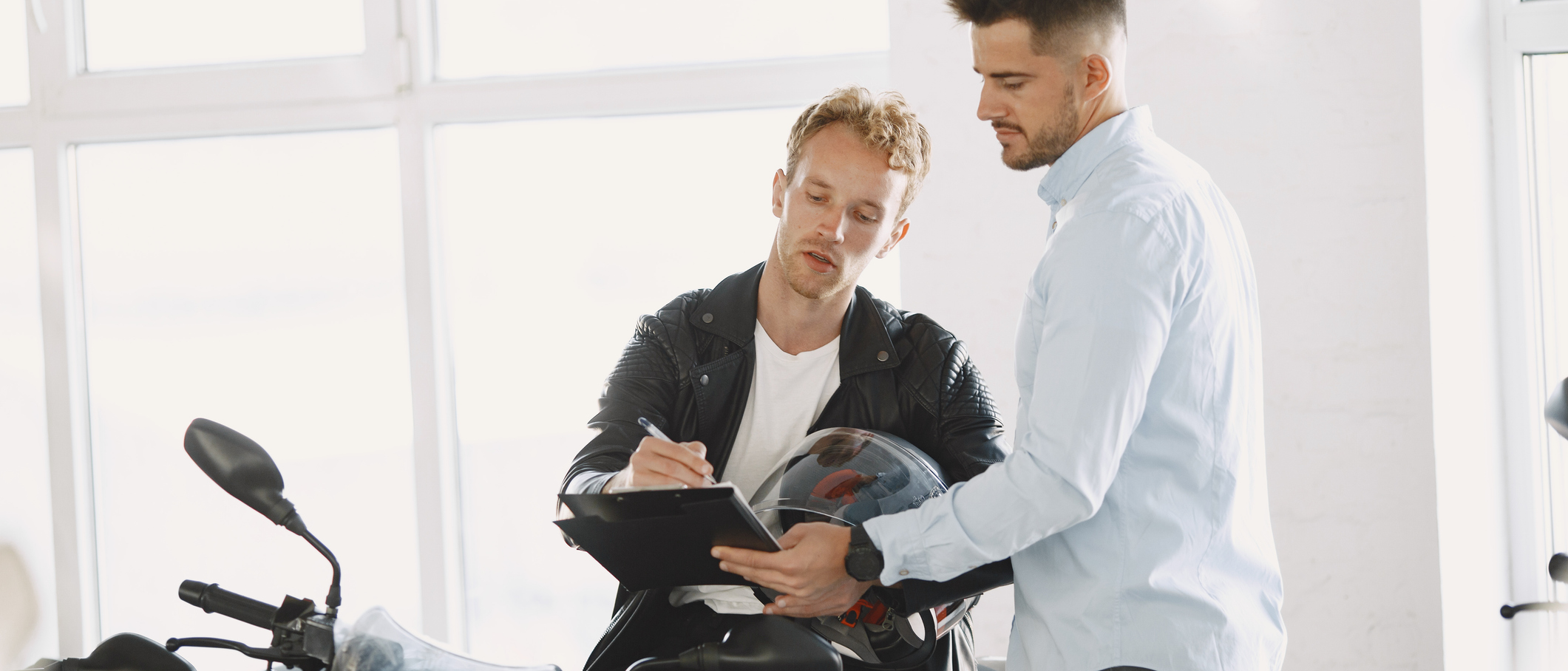
Mitigation starts with identifying the risks that could impact your dealership. For example, offering test rides can increase your liability in the event of an accident. You can manage these risks by establishing strict protocols, such as verifying licenses and requiring waivers.
When it comes to fraud, employee training is an essential first step. Staff should understand how to identify common types of fraud and what to do if they suspect a transaction could be fraudulent. Restricting access to your dealer management system and running background checks on new hires can also help reduce employee fraud.
To help prevent physical theft, powersport dealers can use both physical and technological deterrents. These may include securing inventory with high-quality locks, installing GPS tracking devices on vehicles, deploying video surveillance cameras, and maintaining strong cybersecurity practices to protect digital data.
What type of insurance do powersport dealers need?
Despite taking precautions, losses will still occur. That’s why insurance plays a critical role. In addition to common coverages such as liability and property, you’ll want powersport protection tailored to the unique risks faced by powersport dealers.
For example, customer vehicle protection offers liability and physical damage protection for customers’ vehicles while they are in your possession, on your property, or during a test drive. New vehicle sales protection covers claims from customers who are dissatisfied with a vehicle they purchased from you.
Cyber insurance helps cover costs related to data recovery, customer breach communications, and e-commerce threats. Crime insurance protects your business from employee dishonesty, credit card forgery, and other types of theft by employees. False pretense coverage can also help protect your business against the loss of vehicles due to deceptive schemes.
You can obtain coverage for up to 100 per cent of retail repair charges when you’re asked to use your own facilities to repair damaged vehicles. A mechanic’s warranty of work covers the cost of correcting mistakes resulting from the installation of defective parts or faulty work on customers’ vehicles.
Your insurer can help you tailor an insurance plan to meet the specific needs of your business — so you stay focused on delivering thrills and excitement. To find out how Federated can help your business, visit our Powersport Dealership Insurance page today!
This blog is provided for information only and is not a substitute for professional advice. We make no representations or warranties regarding the accuracy or completeness of the information and will not be responsible for any loss arising out of reliance on the information.