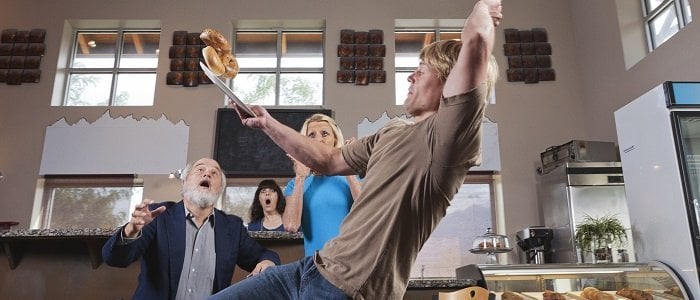
In a previous blog article, we shared information on preventing common restaurant insurance claims; now, we look at another common risk for restaurants: slips, trips and falls. Slips and falls remain one of the most common and costly risks facing Canadian businesses. They account for approximately 1 in 5 workplace injuries, with thousands of incidents reported each year across the country.
Slip and fall hazards can range from the obvious to the unexpected, but it’s your duty as a property owner or occupier to be aware of the hazards that may cause an accident. After all, the last thing on the mind of your patrons is to be mindful of hazards that you may have missed. A maintenance program that is proactive about identifying and preventing these hazards can help protect your patrons, staff and restaurant.
Tips to help prevent slip and fall hazards outside your restaurant
- The parking lot should be inspected at regular intervals for potholes, uneven surfaces, cracks and other debris. Areas of concern should be clearly marked and repaired as soon as possible. Debris that could cause slip and falls should be removed at the time of inspection.
- Downspouts that drain water onto parking lots or sidewalks should be redirected to another area to prevent the buildup of ice during the winter months.
- Pathways, walkways, stairs and ramps should be regularly inspected and free of clutter.
- There should be adequate lighting for nighttime use. Provide adequate lighting at loading docks, service entrances, delivery areas and the parking lot.
- Stairways should be regularly inspected to ensure that walking surfaces and handrails remain in good condition and are slip-resistant.
- Keep parking areas free of oil slicks, snow and ice. Repair potholes immediately.
- Paint speed bumps, drains, maintenance covers, posts, ramps and curbs with a non-slip, high-contrast paint to make pedestrians and drivers aware of their presence.
- Ensure that all patio chairs, umbrellas and tables are in good condition.
- Maintain a documented log with entries of what has been completed, at what time, by whom, and note the climatic conditions at the time of snow and ice removal.
Tips to help prevent slip and fall hazards inside your restaurant
- Keep floors, aisles and exits clean, dry and free of clutter, water, oil or grease.
- Use “wet floor” signs and mop spills immediately.
- Replace or repair tiles or carpet that are missing or not firmly in place.
- Avoid uneven transitions in walking surfaces.
- Keep stairs or landings clean, adequately lit and clear of equipment; also ensure they’re equipped with handrails and non-slip treads.
- Provide adequate lighting where patrons walk.
- Provide slip-resistant floor coverings and surface finishes.
- Mark glass doors and door sidelights so glass is visible.
- Check tables, chairs, booths, stools and counters regularly for broken parts, splinters, rough or sharp edges as well as protruding nails or screws. Make needed repairs immediately.
- Ensure entrance mats are in good condition, properly secured, and regularly inspected or replaced to prevent slipping hazards, particularly during wet or winter conditions.
- · Inspect washrooms on a routine basis to ensure floors are clean, dry and free of slip hazards. Any issues should be addressed promptly, and a documented log of inspections should be maintained.
Winter maintenance tips for restaurants
- Maintain a documented log of all inspections, snow and ice removal, and maintenance activities, including the time, conditions and person responsible. Proper documentation is critical in demonstrating due diligence if a claim arises.
- If using third-party contractors for snow removal or maintenance, ensure there is a written contract outlining responsibilities, and obtain proof of adequate liability insurance.
If an accident occurs
Despite taking proactive steps to reduce hazards in your restaurants, accidents may still occur. In the event that a slip and fall incident is reported, an Accident Report Form should be available on site and completed by staff and/or any available witnesses outlining details including the time, location, conditions, and circumstances of the incident. Taking photos of the conditions at the scene of the accident, as well as the footwear the person was wearing on that day are also important pieces of information to collect.
Protect yourself and your restaurant with insurance
Despite all the preventative measures you have in place, something could still go wrong. To further protect yourself, a commercial general liability policy, or CGL policy for short, can also play a role in helping to safeguard you against the financial impact of a slip and fall incident. Learn more about how to protect your business by visiting our Restaurant Insurance page today.
This blog is provided for information only and is not a substitute for professional advice. We make no representations or warranties regarding the accuracy or completeness of the information and will not be responsible for any loss arising out of reliance on the information.