
If you sell, lease, or repair powersports vehicles such as motorcycles, all-terrain vehicles (ATVs), side-by-side (UTV) vehicles, snowmobiles, personal watercraft, or other specialized vehicles, your business faces unique risks. A standard automotive dealer policy may not provide the protection you need.
For example, customers who test-drive your powersports vehicles could pose a risk to themselves or to the public. If a faulty repair (or even a faulty part) leads to injury or property damage, your business could be held liable. The same goes for damage to a customer’s motorcycle or ATV if it’s damaged in your shop by circumstances beyond your control, such as a fire, flood, theft, or vandalism.
However, one of the biggest risks facing powersports dealerships these days is fraud — from employee fraud (whether intentional or not) to targeted crimes by fraudsters or crime rings.
From liability during test drives to employee fraud and theft, powersports dealerships operate in a high-risk environment where the right insurance coverage is critical.
Why insurance is critical for powersports dealerships
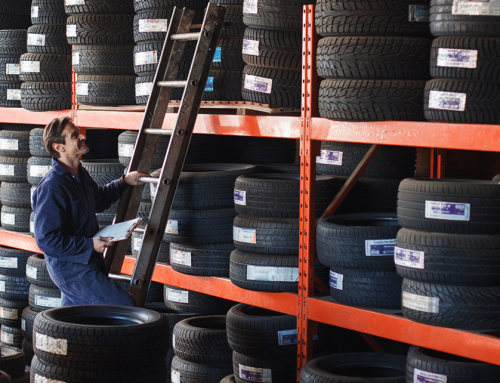
Your dealership carries high-value and highly targeted inventory. Parts, accessories for repairs and customizations also add to your exposure. Without the right insurance, risks such as theft, fraud, fire, or vandalism could result in significant financial loss.
It’s not just burglaries and robberies that pose a risk. Employee fraud and dishonesty can be equally damaging – whether it’s a parts refund scam, misuse of customer credit card data, or falling victim to a phishing attempt. In an industry with frequent transactions and valuable stock, even small oversights can have costly consequences.
Risks facing powersports dealerships
Here are some of the biggest risks your dealership may face:
- Employee fraud and dishonesty: From fraudulent refunds to credit card misuse, employee-related risks are on the rise.
- Social engineering fraud/EFT diversion: Payment diversion, supplier scams, and social engineering or EFT diversion schemes are increasingly common, especially with parts refunds and wholesaler payments.
- High-value inventory: Vehicles, parts, and accessories inside or outside your showroom are attractive targets for theft and vandalism, and vulnerable to fire or natural disasters.
- Fuel and oil handling exposures: Spills, storage tank leaks, and waste management can lead to costly cleanup and liability issues.
- Customer liability: If a test drive leads to injury or property damage, or if a customer’s vehicle is damaged while in your care, your business could be held liable.
- Cybersecurity threats: Online sales, service booking, or digital transactions expose your business to phishing, scams, ransomware, social engineering and data breaches.
- Third-party risks: New suppliers, contracts, or franchise agreements may require specific insurance coverage.
- Demo/test ride protocols and after-hours demo events: Risks from customers test-driving units include walk-offs, accidents, and inadequate documentation (licensing, waivers, helmets or PPE), especially during less-supervised or after-hours demo events.
- Seasonal inventory swings: Many dealers ramp up inventory before peak riding season, which can increase theft, property, and storage-related risks.
Types of insurance coverage to consider
While it’s important to have the basics covered, such as commercial general liability and commercial property, powersports dealership insurance provides a number of additional coverages you may want to add on for more comprehensive coverage. Having the right insurance coverage in place can help protect your dealership from these risks. Key coverages may include:
- Dealer’s Open Lot (DOL): Physical damage on units held for sale (on-lot and in transit).
- Garage Liability/CGL with Completed Operations: Provides service work and parts install coverage. Make sure Products/Completed Operations is called out.
- Employee dishonesty/Crime: Helps protect your business from losses caused by employee theft, credit card skimming, gift-card fraud, or vendor payment redirection.
- False pretense: Helps protect against losses from fraudulent purchases or trades, such as when a buyer uses fake ID or bad draft.
- Garage-keepers/Customers’ vehicle coverage: Protects customer-owned units in your care, including road tests.
- Errors and omissions for service work: Helps with corrections for faulty work or defective parts.
- Cyber: Protects against data breaches, ransomware, phishing, and funds-transfer fraud, Payment Card Industry (PCI) data breaches (i.e. credit card data theft, and social engineering fraud – plus provides access to breach coaches and incident response resources.
- Business interruption: Includes coverage for dependent property (key suppliers) and service interruptions such as utility outages that impact operations.
- Equipment breakdown: Covers essential items such as lifts, compressors, and diagnostic gear, and may also trigger business interruption coverage.
- Non-owned auto: Provides coverage for demo rides on customer or employee vehicles, or delivery runs.
- Tools and mobile equipment: Covers employee tools and dealer-owned gear used offsite, such as for events or track days.
- Transit or inland marine: Protects units in transit between storage, events, or while being delivered to customers.
- Limited pollution: Covers sudden and accidental fuel or oil spills, if applicable.
- Recall or repair expense: Offers optional coverage for defective parts installed.
- Inventory protection – Covers theft from demo rides (walk-offs) and catastrophe-related damage such as hail or wind, where regionally relevant.
- Environmental Impairment Liability (EIL) coverage for waste tanks: Provides protection if the insured is repairing as well as selling units.
Aside from having the right coverage, you’ll also want to make sure you have enough coverage. If you’ve been expanding your inventory or growing your business but haven’t adjusted your limits in years, you may not have enough coverage in the event of a catastrophe. It’s always a good idea to keep your insurer up to date with any changes to your business and get annual reviews, so you can keep your business running at full throttle.
Practical loss-control tips
Following best practices for loss prevention can help protect your inventory, staff, and customers, and reduce the risk of costly incidents. Here are some key measures to consider:
- Two-person verification: Use two-person close-out on refunds and verify bank details on supplier changes (by calling back a known contact).
- Test-ride checklist: Confirm valid driver’s license, signed waiver, proof of insurance (if needed), and ensure the use of helmets or PPE.
- Key control and storage: Secure keys and manage overnight storage (fenced lots, immobilizers).
- Cybersecurity controls: Keep software updated with the use of patch management, multi-factor authentication (MFA) on DMS and POS; and phishing training for staff.
- Seasonal preparation: Annual limit review ahead of peak season should be done and consider peak season or reporting form for inventory.
Protect yourself with insurance
Running a powersports dealership comes with unique risks, but the right insurance can help safeguard your people, property, and operations. To learn more about how you can protect your powersports dealership from such potential risks, visit our Motorcycle and powersports insurance page today or talk to a Federated Commercial Insurance Specialist for a coverage review tailored to your inventory and demo program.
This blog is provided for information only and is not a substitute for professional advice. We make no representations or warranties regarding the accuracy or completeness of the information and will not be responsible for any loss arising out of reliance on the information.