As the summer comes to an end, it’s a good time to perform a property maintenance check to help ensure your business is ready for cooler fall weather. One area that deserves attention is your roof.
Getting to know your property inside and out can save you thousands of dollars in the long run. Your roof is one of the most important areas to inspect. Below, we highlight some key questions you may have about roof inspections:
How often should I perform a roof inspection?
We recommend conducting a visual inspection at least twice a year, preferably in the fall and late winter months when the roof is free of snow and ice. Additional inspections should be completed after severe weather or as the roof ages.
If the roof cannot be accessed safely, use high-quality binoculars to inspect it from the ground at least once a year and consider hiring a qualified professional for more in-depth inspections.
What should I look for when performing a roof inspection?
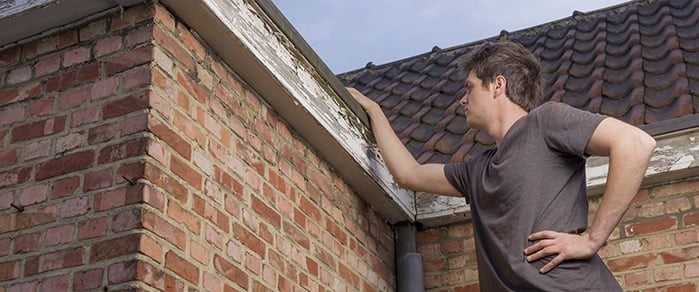
When examining your roof, check the roof surface, flashing (the metal pieces that cover the chimney area, dormers, and vent pipes), roof overhangs, gutters, and the underside of the roof.
Look for early signs of trouble, including:
- Dark areas on or discolouration on ceilings and upper walls
- Peeling paint or loose plaster on the underside of roof overhangs
- Damp spots around chimneys, vents or other roof penetrations
- Water stains on pipes venting the water heater or furnace
Why are roof inspections so important?
Regular roof inspections can help extend the life of your roof and protect your property by identifying minor issues before they become costly repairs.
How can Federated’s Risk Services team help?
Not sure where to start? Our Risk Services team can provide guidance on roof inspection best practices and help you identify potential areas of concern. Visit our Risk Services page for more information.
This blog is provided for information only and is not a substitute for professional advice. We make no representations or warranties regarding the accuracy or completeness of the information and will not be responsible for any loss arising out of reliance on the information.