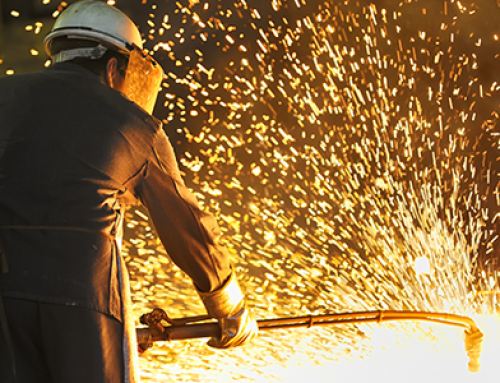
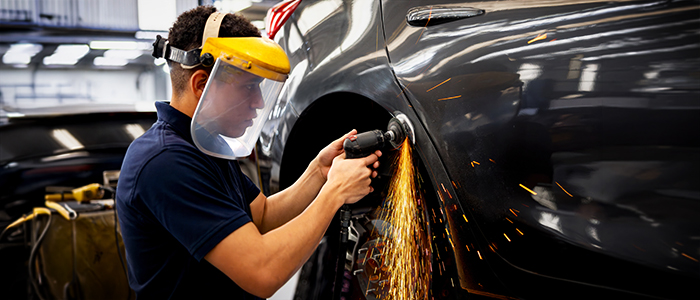
Hot work activities such as welding, cutting, brazing, soldering and grinding are common in auto repair and body shops. Whether you’re repairing vehicle frames, replacing panels or performing custom modifications, these tasks generate sparks and molten material that can create significant fire risks if proper precautions aren’t in place.
In an environment where fuel systems, solvents, paints, oily rags and vehicles are present, a single spark can lead to costly property damage, business interruption or injury. That’s why having proper controls and safety measures in place is crucial to help reduce fire risks and create a safer workplace.
What is hot work?
Hot work includes welding, cutting, grinding, brazing, soldering, torch work, thermal spraying or any activity that generates heat, sparks or open flames.
Hot work safety tips
When you or your employees are engaging in hot work, safety is of the upmost importance. Here are some safety tips to help mitigate the risk of fire damage or injury:
- Keep fire protection close by: Make sure a properly rated portable fire extinguisher is readily accessible in the work area. Employees should know where extinguishers are located and how to use them.
- Clear the area of combustible materials: Remove combustible materials within at least 35 feet of the hot work operation whenever possible. This includes vehicles, fuel containers, solvents, paints, aerosol products, oily rags and other flammable materials. If combustible materials cannot be moved, protect them with approved fire-resistant blankets, curtains or shielding.
- Control sparks and ignition sources: Use appropriate spark containment systems, welding screens and slag shields to help prevent sparks from spreading beyond the work area.
- Establish a designated hot work area: Whenever feasible, perform hot work activities in a designated and approved hot work area. You should also have a documented hot work policy that aligns with the local fire code and applicable NFPA standards. Clear procedures help employees understand expectations and safety responsibilities before work begins.
- Remove flammable liquids and hazardous atmospheres: Before starting hot work, clean up and remove any grease, oil or combustible liquid accumulations. It’s also important to identify and eliminate potentially explosive atmospheres, including flammable vapours or combustible dusts that could ignite when exposed to sparks or heat.
- Assign a fire watch: A trained fire watch should be present during hot work activities and remain on-site for the required monitoring period after the work is completed.
- Wear the right personal protective equipment (PPE): Employees performing hot work should wear personal protective equipment (PPE) appropriate for the task being performed. This includes a welding helmet or face shield, safety glasses, flame-resistant clothing, leather gloves, safety boots and respiratory protection when required
Make sure you’re covered for hot work risks
Hot work is a necessary part of many auto repair and body shop operations, but it can also introduce significant fire risks. By following established hot work procedures, maintaining a clean work area, controlling ignition sources and ensuring employees are properly trained, businesses can help reduce the likelihood of fires, injuries and costly interruptions to their operations.
However, despite your best efforts, your business could still fall victim to a fire. That’s where insurance can help. Learn more by visiting our Automotive Repair Shop Insurance page today!
This blog is provided for information only and is not a substitute for professional advice. We make no representations or warranties regarding the accuracy or completeness of the information and will not be responsible for any loss arising out of reliance on the information. Terms, conditions and exclusions apply to coverage. See policy for details.