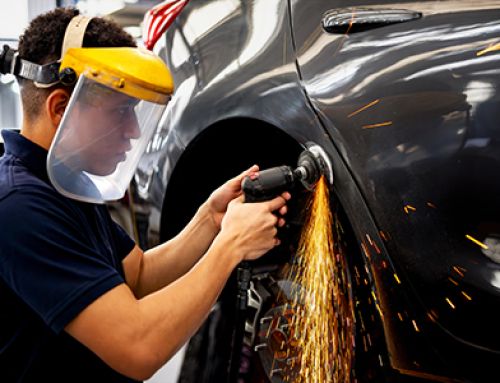
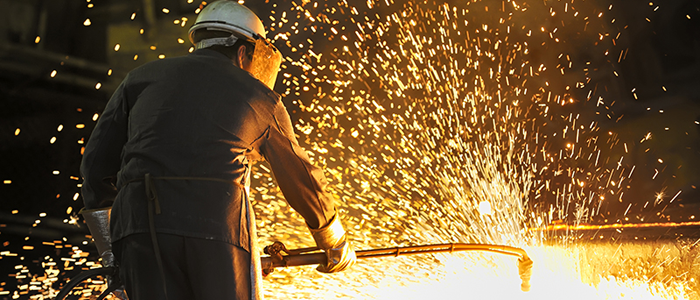
Hot work, such as welding, grinding, cutting and soldering, is a routine task on many job sites. However, these activities generate heat, sparks and molten materials that can create serious fire and safety risks if not properly managed. In fact, according to Northbridge Insurance’s internal claims data, fire-related incidents are the leading cause of loss for construction and contracting businesses.
Even though it can be dangerous, hot work is an integral part of many businesses. That’s why having proper controls and safety measures in place is crucial to help protect your employees, property and operations.
What is hot work?
Hot work includes welding, cutting, grinding, brazing, soldering, torch work or any activity that generates heat, sparks, or open flames.
Hot work safety tips
When you or your employees are engaging in hot work, safety is of the utmost importance. To help mitigate the risk of fire damage or injury, here are some safety tips to follow before, during, and after hot work.
Before starting hot work
- Obtain a hot work permit: Ensure a valid hot work permit is issued and approved before work begins, and review site-specific hazards, emergency procedures, and permit conditions.
- Conduct a hazard assessment: Look for any flammable liquids, combustible materials, dust or gases nearby and verify that the work area is safe for hot work activities.
- Remove or protect combustibles: Keep combustible materials away from the work area or use welding blankets, curtains, shields or barriers to protect materials that can’t be moved.
- Inspect equipment: Check welding machines, hoses, regulators, torches and electrical connections before use. If any equipment is defective, remove it from service immediately.
During hot work
- Wear appropriate personal protective equipment (PPE): Workers in the hot work area should wear a welding helmet or face shield, safety glasses, flame-resistant clothing, leather gloves, safety boots and respiratory protection when required.
- Keep fire protection accessible: Always have a serviced fire extinguisher close to your workstation and ensure fire protection systems are operational.
- Use a fire watch: Assign a trained individual to watch for fire when combustible materials or fire hazards are present. The fire watch should have no conflicting duties and must know how to use fire extinguishers and activate emergency response procedures.
- Ensure adequate ventilation: Control fumes, gases and smoke with local exhaust ventilation or another approved method. If you’re working in a tank, pit, or other enclosed area, follow confined-space procedures closely.
After completing hot work
- Inspect the area thoroughly: Check for smoldering materials, lingering sparks or hidden ignition sources. Also examine adjacent rooms, floors, ceilings and opposite sides of walls where heat may have transferred.
- Continue fire watch: Monitor the work area for a minimum of 60 minutes after completing hot work.
hot work safety at off-site locations
Hot work performed at off-site locations often involves additional hazards and unfamiliar conditions, making it essential for workers to understand how to adapt safety protocols and procedures to different environments.
When performing hot work at a client’s site, confirm that the facility has a hot work management program in place. Always document your procedures and actions and obtain your client’s approval and sign-off before proceeding. Apply the same hot work safety practices mentioned above and follow any additional site-specific requirements.
Make sure you’re covered for hot work risks
Despite your best efforts and preparation, your business could still fall victim to a fire. That’s why it’s important to invest in comprehensive coverage. Learn more by visiting our Contractors Insurance Page today!
This blog is provided for information only and is not a substitute for professional advice. We make no representations or warranties regarding the accuracy or completeness of the information and will not be responsible for any loss arising out of reliance on the information. Terms, conditions and exclusions apply to coverage. See policy for details.