
Fuel safety is a top priority for commercial fuel dealers. That’s because so many risks you face — a spill, a fire, environmental pollution — are related to fuel.
The proper storage, handling, and dispensing of fuels is critical in mitigating these risks, since even a minor leak or spill can be costly to your bottom line, your reputation, and the environment. Equally important is having driving experience in the field, as drivers play a key role in safely transporting fuel, navigating changing road conditions, and responding appropriately to potential hazards.
Understanding common commercial fuel dealer risks and safety hazards — and best practices to prevent or mitigate those risks — can help you avoid losses that will hurt your business.
What are some common safety hazards in commercial fuel dealerships?
Fire and explosions: If you store, handle, and dispense flammable liquids such as gasoline or propane, your business is at risk of flash fires and explosions. Fuel releases invisible vapours into the air that could ignite from a single spark. Equipment failure, electrical faults, hot surfaces, open flames, and even static electricity can create ignition risks. Human error could be another cause, due to things like overfilling tanks and spilling fuel, or forgetting to properly close safety valves.
Environmental pollution: In any environment where large amounts of fuel are stored and dispensed, leaks and spills can cause a host of problems — and not just slips and falls. Fuel can seep into soil and water sources, contaminating the local ecosystem and harming people and wildlife. While leaks and spills could be caused by human error, they can also result from damaged equipment, extreme weather, or even vandalism.
Storage and transport risks: When storing and transporting bulk fuel, even a small mishap can have serious consequences, such as a leak. But improper storage can also lead to fuel degradation or contamination, which can lead to financial losses, reputational damage, and even potential legal liabilities. Transport, too, can create risks. When pumping fuel from a storage tank to a truck, the process can create static electricity, which could ignite the fuel. In addition, operating a tank truck requires specialized skills and experience. Knowing how to safely drive a tank truck can help reduce the likelihood of incidents that lead to spills, fires, and environmental damage, protecting both your business and the communities you serve.
Health hazards: Worker exposure to vapours can cause dizziness and respiratory issues, while contact with fuel such as gasoline or diesel can cause skin irritation and even chemical burns. Prolonged exposure can have long-term health effects, including organ damage.
Compliance risks: Not complying with increasingly stringent environmental legislation can put your dealership at risk of fines and reputational damage.
How can commercial fuel dealers improve safety and mitigate risks?
Commercial dealer fuel safety best practices can help protect your workers, property, and bottom line. Proper storage, for example, can help prevent accidents that put lives and property at risk while also protecting your business from regulatory fines.
Fuel should be stored in clearly labeled, approved containers or storage tanks that meet safety standards and fuel storage requirements outlined by the Canadian Centre for Occupational Health and Safety (CCOHS). These should be kept in a designated, well-ventilated area, away from potential sources of heat and ignition.
If you transport fuel, it should only be transported in containers or vehicles that are approved for handling flammable liquids. Before dispensing fuel, the vehicle should be grounded and bonded to prevent static sparks. Workers should also have appropriate training from provincial authorities on how to handle and dispense fuel during transport, and they should have completed the Canadian Fuels Association Driver Certification Program. In case of an incident, tThey should also have an emergency response plan in place.
All workers should be trained on how to properly handle, store, and dispense fuel, as well as on emergency procedures. If there’s a spill, for example, they should have a spill kit on hand and know how to use it. Refresher courses can help reinforce safety procedures and keep workers up to date on current requirements and best practices.
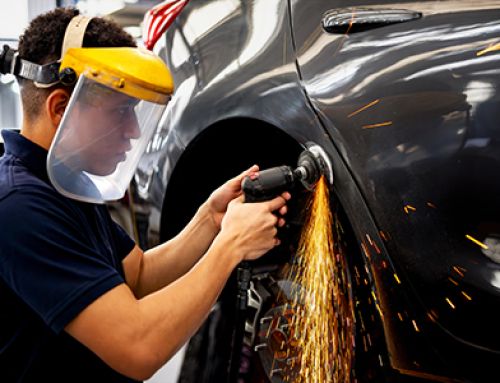
Workers should also wear personal protective equipment (PPE), such as flame-resistant clothing in fuel storage areas and splash-rated safety goggles when handling fuel.
Tanks, pumps, and other infrastructure should be routinely checked for leaks or early stages of corrosion. Preventive maintenance can help to pinpoint mechanical failures before they result in costly downtime and business interruption.
It’s also good practice to test samples of fuel in storage to monitor its quality and check for degradation or contamination. This should be done at regularly scheduled intervals.
Technology can play a role in mitigating storage and transport risks. With large storage tanks, for example, electronic sensors can help to detect leaks, while pressure-vacuum vents can capture fuel vapours during storage and transfer. Vapour monitoring systems can also help by detecting and measuring vapour concentrations, such as petroleum fumes, in industrial air spaces.
If there is an incident, such as an accidental spill or flash fire, workers should know what to do. Spill kits and fire extinguishers should be easily accessible, while emergency response practice drills can reinforce best practices on how to contain incidents before they escalate.
Does your commercial fuel dealership have the right insurance?
Following best practices can go a long way in protecting your business — including your employees — from the risks of operating a commercial fuel dealership. But an incident could still happen that results in financial loss, property damage, or personal injury.
Commercial fuel dealer insurance can help get your business back on track, if an incident occurs. In addition to coverage for liability, property, and employees, coverages could also include pollution liability, equipment failure, and business interruption, among others.
To find out more about how commercial fuel dealer insurance can help protect you, your employees, and your assets, visit our Fuel Dealer’s Insurance page today.
This blog is provided for information only and is not a substitute for professional advice. We make no representations or warranties regarding the accuracy or completeness of the information and will not be responsible for any loss arising out of reliance on the information.